Origin
Los Angeles
- 49 CFR
- PHMSA
- FMCSA
- IMDG
Trade lane
Dangerous-goods ocean exports from the Port of Los Angeles to Germany, planned around port acceptance and the longer sea itinerary.
Updated 2026-08-13.
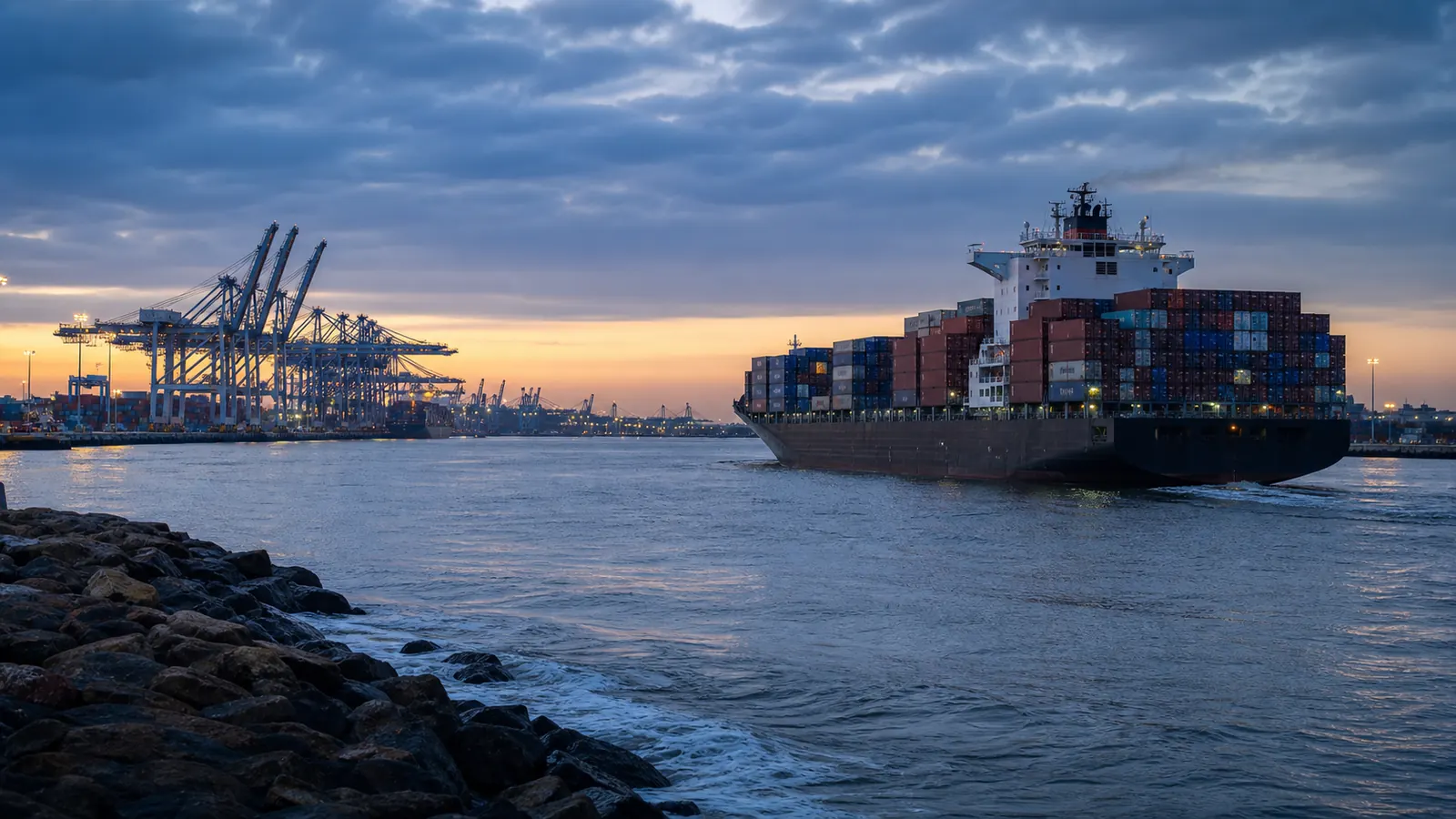
Editorial route illustration; not a record of a specific hansa express movement.
Origin
Destination
The endpoint frameworks above are a regulatory baseline, not proof of carrier, terminal or shipment acceptance. Those are checked for the actual cargo before booking.
This is an ocean-export service beginning at an agreed Port of Los Angeles stuffing or marine-terminal location. It does not include collection, domestic repositioning, rail or air freight.
The customer or a separately contracted licensed US carrier delivers the cargo to that agreed point. The file then follows the confirmed port, vessel and destination-port chain.
We stuff the export container and coordinate marks, labels, placards, the dangerous-goods declaration and supporting export documents.
The relevant terminal and ocean carrier must accept the exact UN entry, quantity, container and itinerary before terminal delivery.
A Germany-bound sailing from Los Angeles can involve a long route or transshipment. Every named transfer port must accept the dangerous goods, and a carrier reroute triggers revalidation.
The plan favours a confirmed, accepted chain over an advertised sailing that has not been approved for the cargo.
Our scope closes at the agreed destination-port handover. Customs, receiving permissions and inland delivery beyond that port are the customer’s responsibility.
The enquiry should include the US port, destination port, UN number, class, quantity, container type and requested sailing window.
Send the cargo details, quantity and target date. We will confirm the viable gateways and approvals for the actual consignment.