Cargo first
UN number, class, quantity and container details decide which ocean services can accept the shipment.
United States exports · Ocean freight
Explosives, ammunition, pyrotechnics and Class 7 — stuffed into export containers and moved by sea from US ports. We do not offer inter-US road or rail transport.
Scroll
01Standing
We coordinate the ocean-export file: container stuffing, marks and placards, export documents, terminal acceptance and the sea booking. Domestic US collection and inland transport are outside our offer.
02Process
Five focused steps from a US export container to its destination-port handover. No domestic US road or rail leg is included.

 01 / 05
Answered the same working day — including the answer that your lane will not work as specified, and what would.
Plan a route03Services
Container stuffing, compliance communication, export documentation and ocean freight from the United States.
Explore ocean freight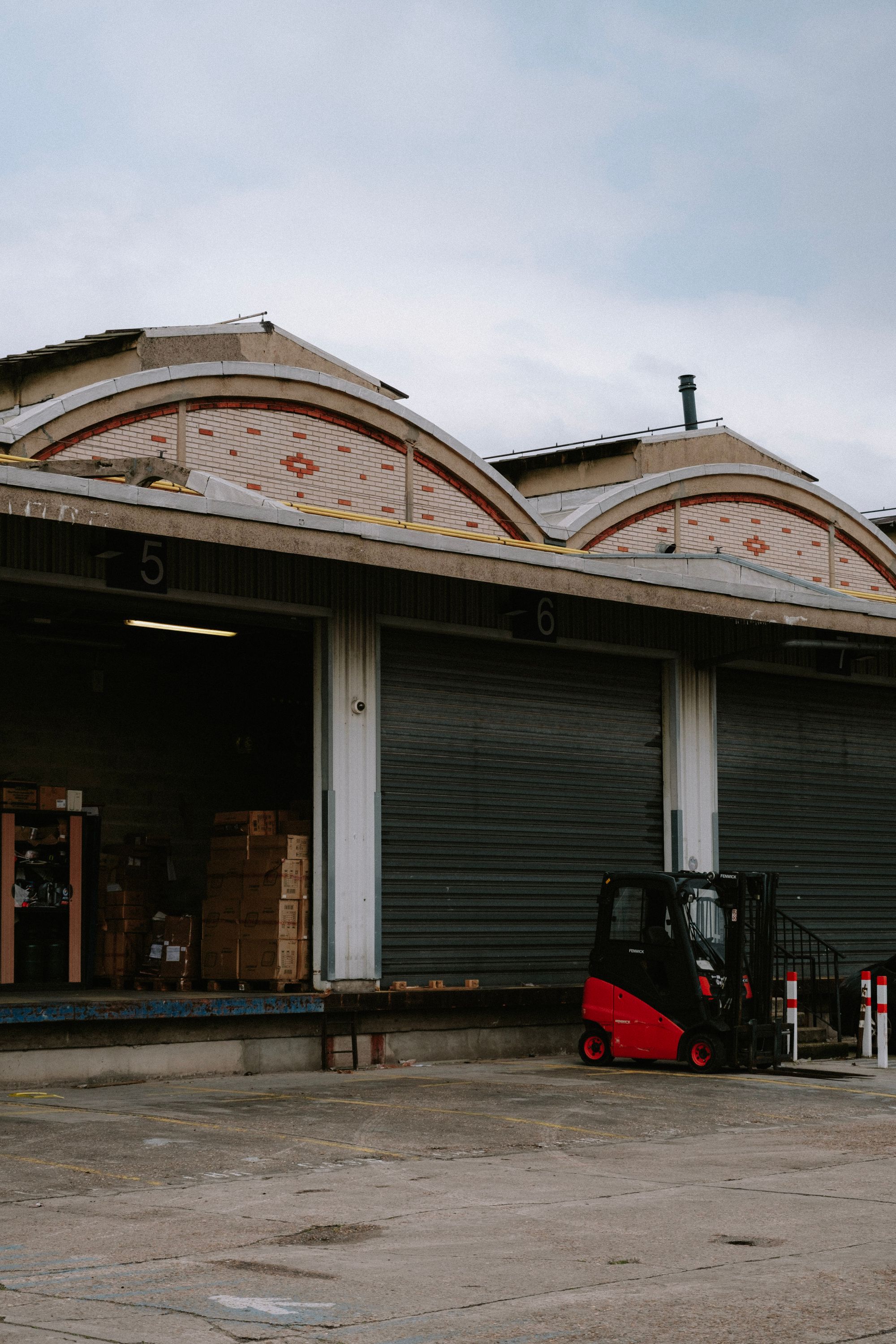
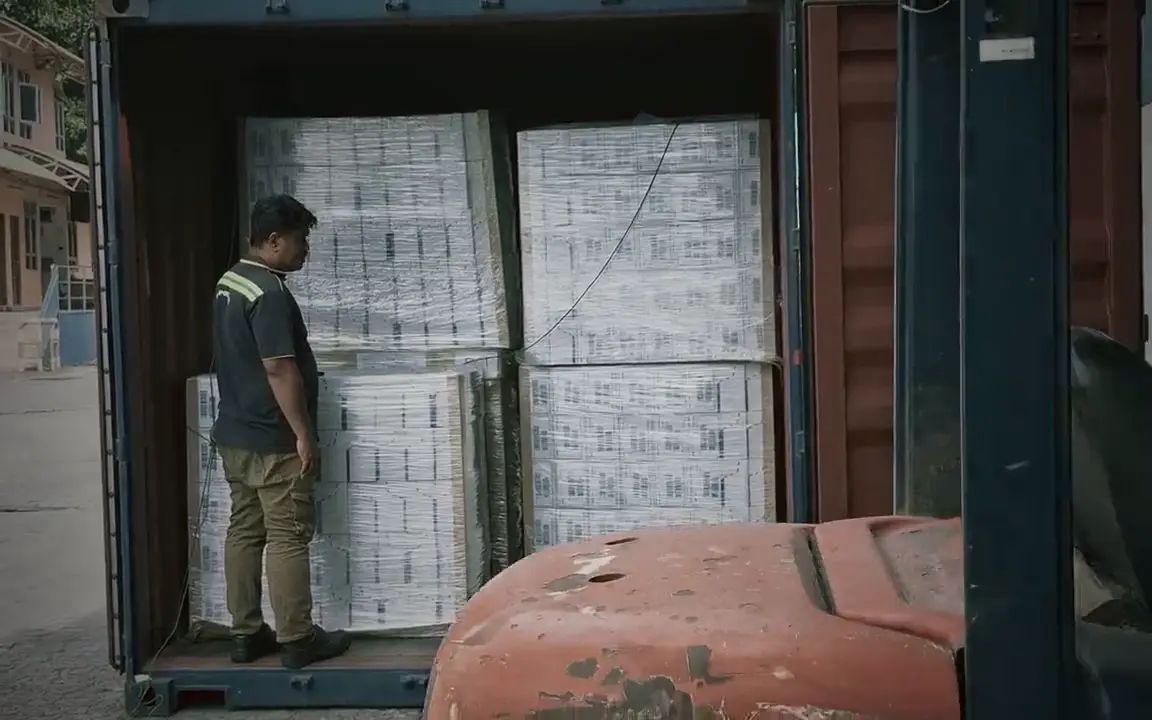
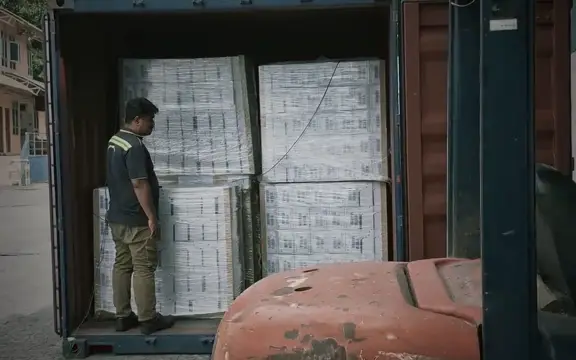
01 — Dock and forklift
Dangerous goods stuffed into export containers for the confirmed ocean movement.
Learn more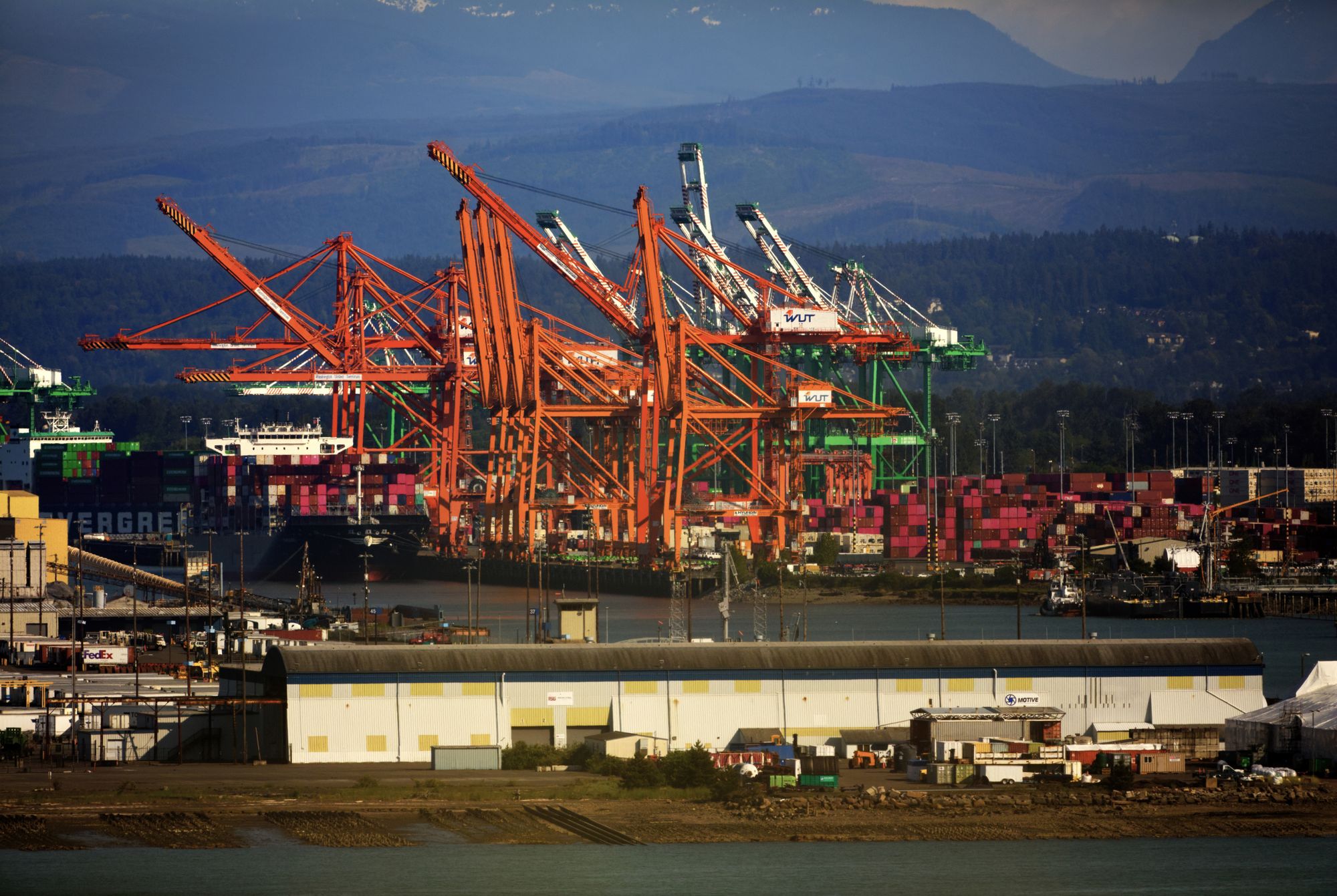
02 — Port of Tacoma, Washington
Marks, labels and placards coordinated for the ocean carrier and receiving regime.
Learn more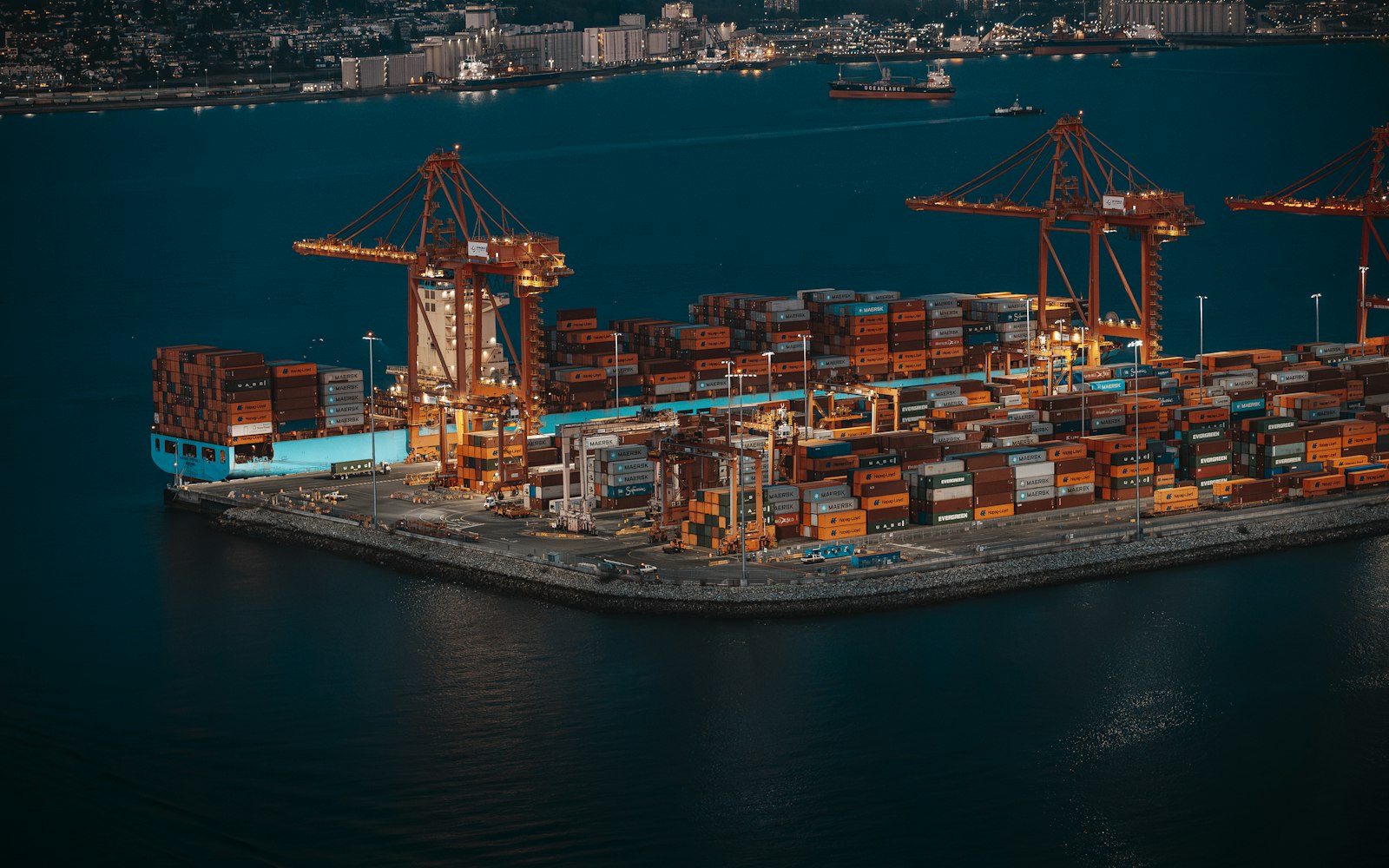
03 — Port of Tacoma, Washington
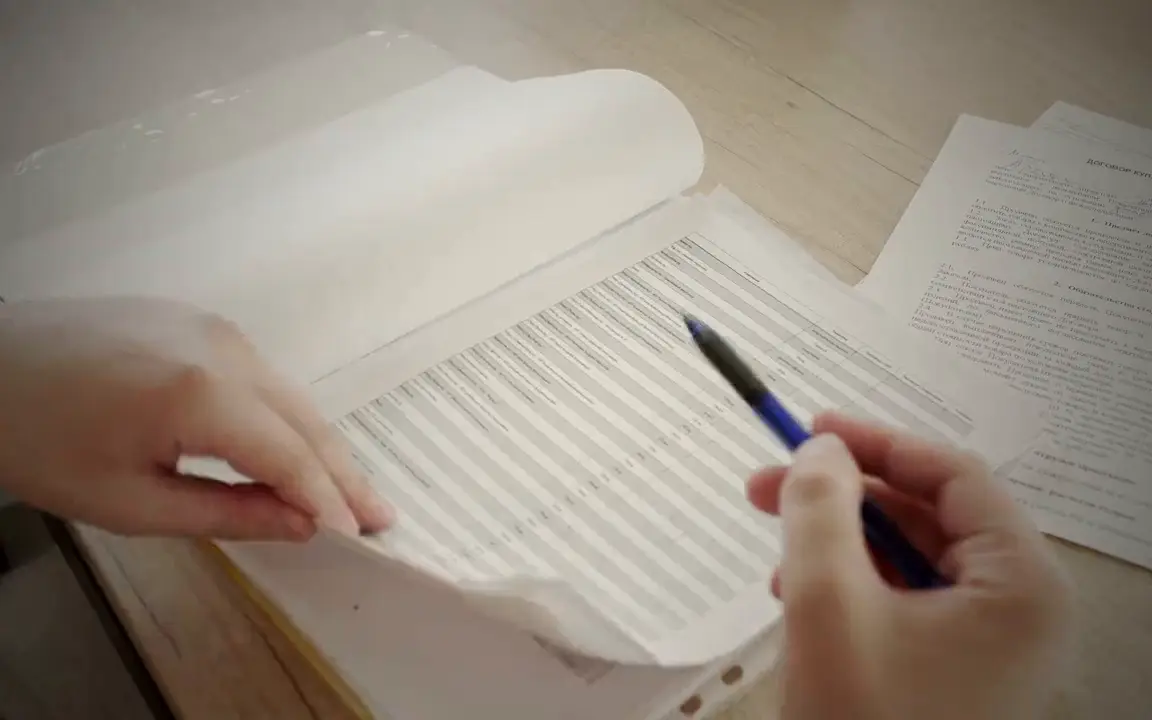
Dangerous-goods declarations and the supporting export file reconciled before terminal delivery.
Learn more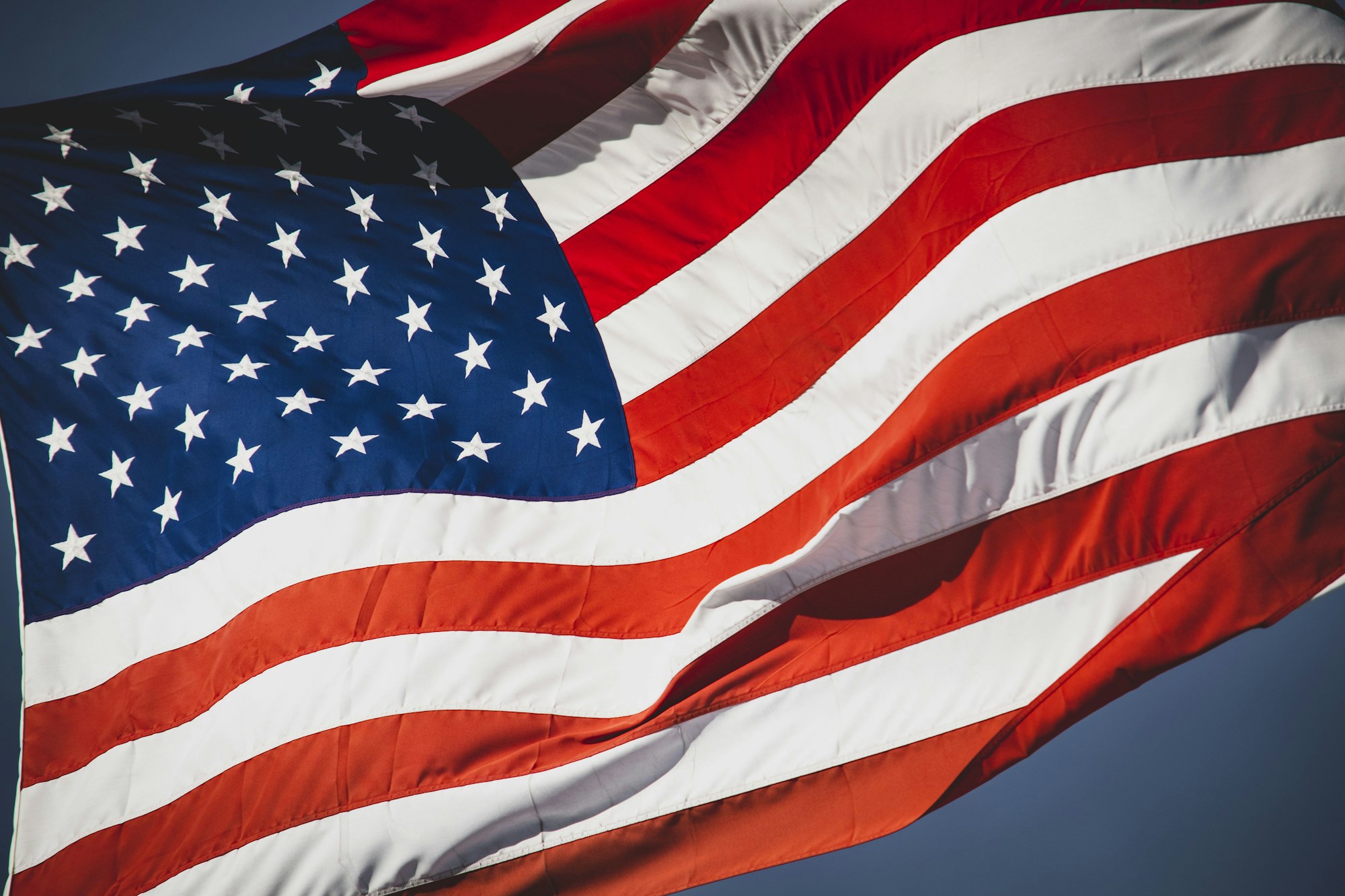
04 — United States flag
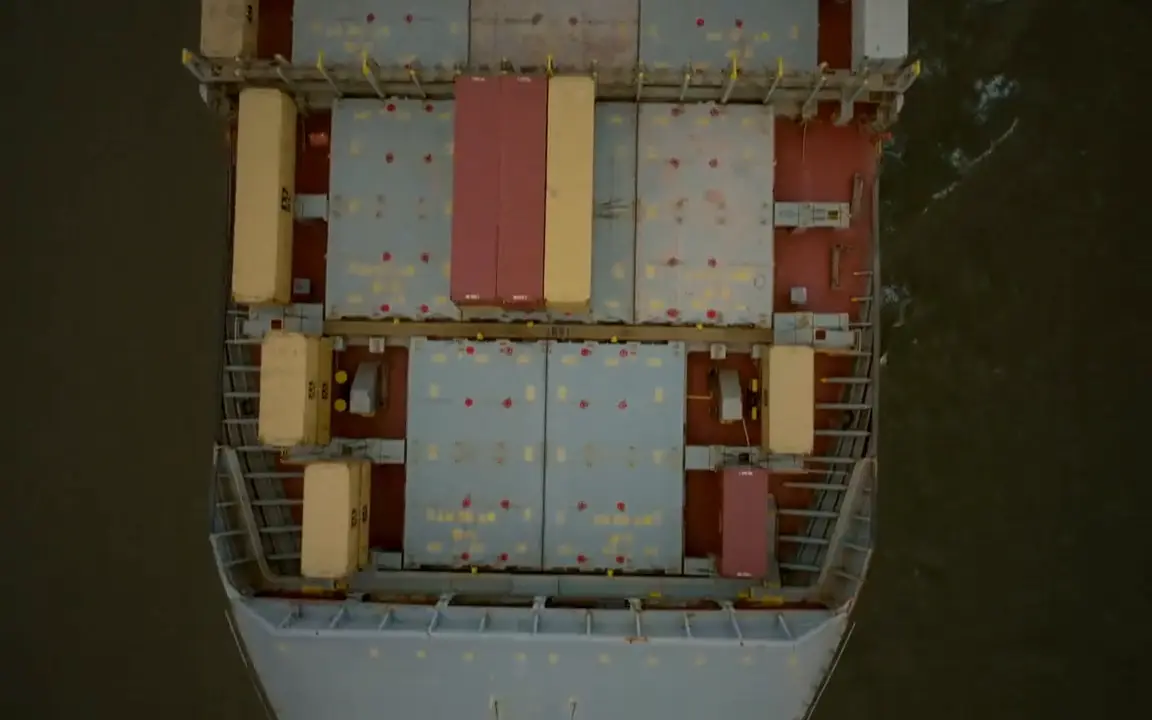
Deep-sea sailings from US gateways under the IMDG Code, through destination-port handover.
Learn more04What we move
If your cargo is routinely declined, refused at the terminal or quoted and then quietly dropped, that is usually where our work starts rather than where it stops.
05Ocean mode
We offer dangerous-goods sea exports from US ports. We do not offer domestic US road, rail or air transport.
The IMDG Code governs the sea leg, but the constraint that actually bites is terminal acceptance: quantity caps, dwell limits and delivery windows that close earlier than the vessel cut-off, especially for Class 1.
Port of Tacoma, WashingtonDanniel Corbit / Pexels
06Published lanes
Published guides for outbound ocean lanes from US ports. Domestic collection is not part of the service.
Ocean export from the Gulf, with container stuffing and terminal acceptance settled before vessel cut-off.
Read the lane guide New YorkGermanyOcean export across the North Atlantic, with the declaration and customs sequence written down.
Read the lane guide Los AngelesGermanyOcean export from the West Coast, planned around the longer sea clock and port acceptance.
Read the lane guide07Questions
If yours is not here, it is the one worth phoning about.
Yes. Class 1 has been our core business since 1989. For US-origin work, our offer is container stuffing and ocean freight from the agreed US port through the destination-port handover, subject to carrier and terminal acceptance.
No. We do not offer inter-US road, rail or air transport. The customer arranges delivery to the agreed stuffing or port location; our US offer is outbound sea freight.
We stuff the export container, coordinate marks, labels and placards, reconcile the dangerous-goods and export file, secure ocean carrier and terminal acceptance, and manage the sea leg through destination-port handover.
Earlier than most people expect, because the long pole is rarely the transport. Authority approval, container stuffing, terminal acceptance and vessel booking for Class 1 all run on their own clocks and several of them are sequential. Bring us in while the cargo details are still open and the sailing options are still wide.
The customer is responsible for getting the cargo to the agreed US stuffing or port location and for arranging any inland movement after the destination-port handover.
Send the UN number, class, quantity, container details, US port of loading, destination port and requested sailing window. We will identify the remaining acceptance and document questions.
08Start here
Tell us the class, quantity, container details, US port of loading and destination port. We will tell you what is possible and what the ocean export will take.
What are you moving?
Pick a category and it travels with you to the quote form, so the first reply is about your cargo rather than about ours.
This is a general summary for planning purposes, not legal or regulatory advice, and rules change. Confirm the current requirements with the competent authority or with us before you book.
Compiled from public sources
Regulatory disclaimer · Every country and US state · Tell us if something here is wrong
Photography is stock and credited beside each frame; see the licence links in the repository.
United States → overseas
Explosives, ammunition, pyrotechnics and Class 7 — one specialist team for container stuffing, export documentation, port acceptance and the ocean leg.
The US sea-export file
A compliant container still needs an ocean carrier, terminal and destination port that accept the same cargo on the same sailing.
UN number, class, quantity and container details decide which ocean services can accept the shipment.
We stuff the export container and coordinate its marks, labels and placards.
The carrier, terminal and destination port must all accept the same cargo and sailing.
One file · five steps
UN number, class, quantity, container details, US port of loading and destination port. If a detail is still open, that is a better moment to call.
We stuff the container and coordinate marks, labels and placards for the receiving regime.
The declaration, export documents, carrier acceptance and terminal window are settled before the container is tendered.
The accepted container sails from the agreed US port under the IMDG Code, with one team watching the ocean handoffs.
The file stays live through the sea leg and the agreed destination-port handover. Any inland movement is arranged separately by the customer.
What we arrange
Cargo we know
Outbound ocean freight
Our US offer begins with container stuffing and continues through the ocean leg to destination-port handover.
The IMDG Code governs the sea leg, but the constraint that actually bites is terminal acceptance: quantity caps, dwell limits and delivery windows that close earlier than the vessel cut-off, especially for Class 1.
Published lane guides
Before the first call
Yes. Class 1 has been our core business since 1989. For US-origin work, our offer is container stuffing and ocean freight from the agreed US port through the destination-port handover, subject to carrier and terminal acceptance.
No. We do not offer inter-US road, rail or air transport. The customer arranges delivery to the agreed stuffing or port location; our US offer is outbound sea freight.
We stuff the export container, coordinate marks, labels and placards, reconcile the dangerous-goods and export file, secure ocean carrier and terminal acceptance, and manage the sea leg through destination-port handover.
Earlier than most people expect, because the long pole is rarely the transport. Authority approval, container stuffing, terminal acceptance and vessel booking for Class 1 all run on their own clocks and several of them are sequential. Bring us in while the cargo details are still open and the sailing options are still wide.
The customer is responsible for getting the cargo to the agreed US stuffing or port location and for arranging any inland movement after the destination-port handover.
Send the UN number, class, quantity, container details, US port of loading, destination port and requested sailing window. We will identify the remaining acceptance and document questions.
Start with the UN number
Class, quantity, container details, US port of loading and destination port are enough to start.
This is a general summary for planning purposes, not legal or regulatory advice, and rules change. Confirm the current requirements with the competent authority or with us before you book.
Compiled from public sources
Regulatory disclaimer · Every country and US state · Tell us if something here is wrong
Photography is stock and credited beside each frame; see the licence links in the repository.