Origin
Toronto
- TDG
- IMDG
- ICAO-TI
Trade lane
A Toronto-to-Germany guide for regulated cargo through Pearson or a Canadian ocean gateway, separating Canadian TDG, international modal and German destination duties.
Updated 2026-08-13.
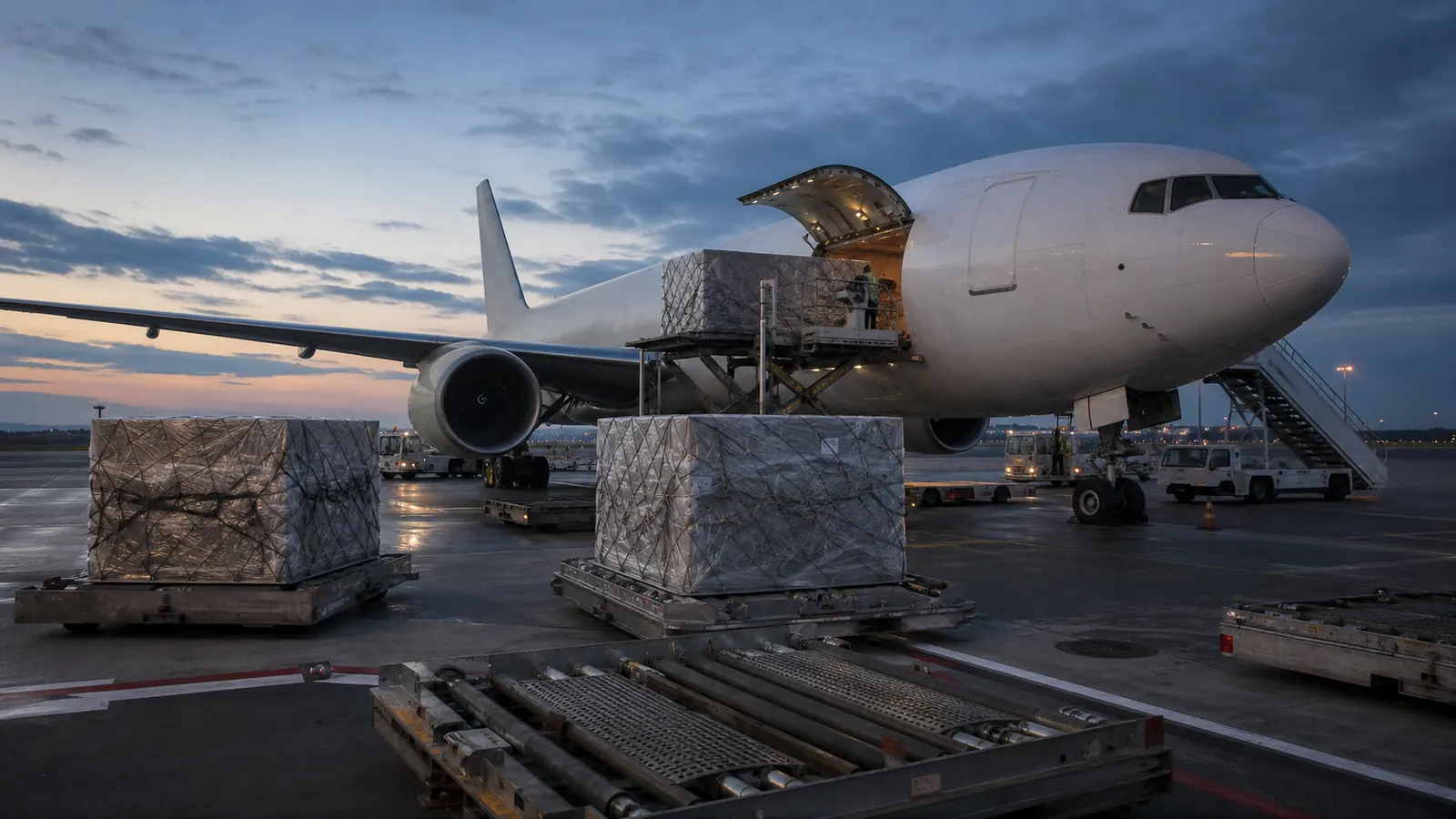
Editorial route illustration; not a record of a specific hansa express movement.
Origin
Destination
The endpoint frameworks above are a regulatory baseline, not proof of carrier, terminal or shipment acceptance. Those are checked for the actual cargo before booking.
Toronto Pearson is Canada’s largest air-cargo gateway and publishes dedicated cargo facilities and customs capability. That makes it a logical starting point for eligible time-sensitive cargo. Ocean freight, by contrast, begins with a regulated truck or rail feeder from the Greater Toronto Area to an accepting marine gateway.
The choice depends on classification, quantity, package dimensions and urgency. A route should not default to air because Pearson is nearby or to sea because the cargo is heavy. It should compare confirmed acceptance and complete door-to-door custody.
Transport Canada’s TDG framework governs the Canadian offer and domestic movement and incorporates international modal requirements where applicable. The shipper should confirm classification, means of containment, safety marks, shipping document, training and whether an Emergency Response Assistance Plan is required for the goods and quantity.
For air, Part 12 and the ICAO Technical Instructions must be read with operator variations. For the ocean feeder, the domestic carrier and export terminal need to accept the cargo before it leaves the origin premises.
At Pearson, cargo facilities and network capacity do not replace airline and handler acceptance. The exact aircraft, package and itinerary control the route. A connection adds a transit State and re-handling point that must be reviewed.
For ocean, the plan names the Canadian marine gateway, domestic feeder, authorized storage if needed, carrier, terminal and vessel. IMDG applies to the sea leg, but the terminal can impose narrower delivery and dwell conditions.
The first EU entry point requires advance data and customs treatment. The German consignee’s permit, customs representative and ADR carrier should be ready before uplift or sailing. If entry occurs in another member state, the customs transit and physical movement to Germany must remain aligned.
A defensible Toronto quote separates Canadian compliance, gateway booking, international transit, EU customs and German delivery. It states whether an ERAP or other approval is assumed, names the accepting nodes and sets a revalidation point for schedule or quantity changes.
Send the cargo details, quantity and target date. We will confirm the viable gateways and approvals for the actual consignment.